Wildfire Smoke · Indoor Air Quality · Los Angeles
Your home is not keeping wildfire smoke out.
Wildfire PM2.5 infiltrates Los Angeles homes even with windows closed. Baseline measures what you're breathing and recommends what to do before conditions get worse.
Serving Woodland Hills and the greater LA area · 818-237-3404
Closing your windows is not enough.
The particles are already inside.
Wildfire PM2.5 measures 0.3 to 2.5 microns. It slips through gaps in the building envelope, travels through HVAC returns, and enters through exhaust fans and fireplace dampers. Indoor concentrations can exceed outdoor AQI thresholds and stay elevated for hours after fire conditions ease.
The only way to know what is in your air is to measure it.
What the assessment finds
Readings, filtration, and HVAC.
One complete picture.
The assessment measures PM2.5 in each room, inspects your HVAC filter and system, and documents what is working and what is not.
What you receive
A written report.
Not a verbal summary.
Every assessment produces a Baseline Report with documented readings, HVAC findings, and specific recommendations for your home. You leave with something you can act on and reference during the next smoke season.
How it works
Three steps.
One visit.
The assessment takes 90 minutes to two hours. You need to be present at the start and end. Everything in between is handled by Baseline.
Owner Interview and Home Profile
We start with a 15-minute conversation: how the home performs during smoke events, past HVAC work, filter history, attached garage, fireplace use, recent renovations, and any health symptoms that track with air quality conditions. Context changes what the numbers mean.
Calibrated Sensor Readings and HVAC Inspection
PM2.5, VOCs, CO, CO2, humidity, and temperature throughout the home using research-grade sensors. Full HVAC visual inspection: filter condition and MERV rating, coil, condensate drain, blower, combustion appliances, and infiltration pathways.
Findings Walkthrough and Baseline Report
We review every finding before we leave. Your written Baseline Report documents all readings, HVAC observations, and a prioritized recommendation list. The $195 credits toward any mechanical upgrade we recommend.
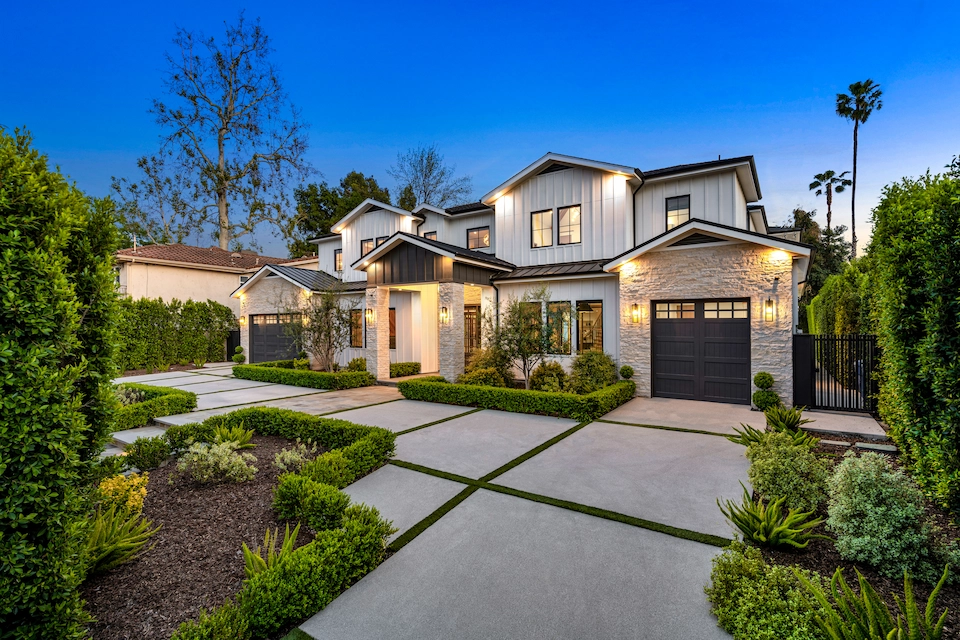
Not a purifier. Not a guess.
A portable air purifier moves air in one room.
Baseline tells you what your whole home needs.
Portable purifiers address one room. Closing windows reduces infiltration but does not stop it. HVAC filter upgrades only work if your system can handle the restriction. Baseline measures first, so every recommendation is based on your home's actual readings and conditions.
Measured Before Recommended
Baseline takes sensor readings before recommending anything. Upgrades are based on what your home's air is actually doing, not a general package built for the average home.
HVAC-Aware
Most air quality recommendations ignore whether your HVAC system can support them. MERV 13+ filtration can damage systems not sized for the restriction. Baseline checks compatibility before recommending anything.
Whole-Home View
The Haven Central reads your entire home's air via the return duct. After the assessment, you can add room sensors to track individual spaces and confirm whether upgrades are performing as intended.
Learn about IAQ monitoringCommon questions
What to know.
Does wildfire smoke get inside closed homes?
Is my HVAC filter good enough to stop wildfire smoke?
What does the $195 assessment cover for wildfire smoke?
What solutions does Baseline recommend after measuring?
What Los Angeles neighborhoods does Baseline serve?
Get Your Baseline
The next smoke event is not years away.
Find out where your home stands and what to do about it.
The $195 assessment measures your PM2.5, inspects your HVAC and filtration, and gives you a written report with specific upgrades ranked by impact. The fee credits toward any work we recommend.
Assessment credit applies toward any mechanical upgrade we recommend.
Serving the Los Angeles area · CSLB #1153130 · 818-237-3404